Your First Home Awaits: The Complete Tampa Bay Buyer's Preparation Guide
You're scrolling through Zillow again. That cute Brandon bungalow catches your eye. Three bedrooms, updated kitchen, fenced yard for the dog you've been planning to get. You click "Save to Favorites" and add it to the collection of 47 other homes you've bookmarked this month.
But here's the problem. You haven't checked your credit in two years. You don't know if you'd actually qualify for a mortgage. And you're not even sure if Brandon is the right neighborhood for your lifestyle.
Here's what actually happens when unprepared buyers find their dream home: They fall in love. They want to make an offer. Then they discover their credit score is too low, or their debt ratio is too high, or they can't document their income properly. The seller accepts another offer while they scramble to fix problems they should have handled months ago.
I watch this heartbreak play out regularly in Tampa Bay. But I also get to celebrate with the buyers who did it right. The ones who spent six months preparing before they ever toured a single house. Those buyers? They're the ones getting accepted offers, negotiating better deals, and sleeping well at night knowing they made smart decisions.
First-time home buyers in Tampa Bay should start preparing 6 to 12 months before shopping by cleaning up credit, getting mortgage pre-approval, and defining clear home preferences. Tampa's buyer-friendly market in 2026 rewards prepared buyers with homes selling 4 to 5 percent below list price and strong negotiating power.
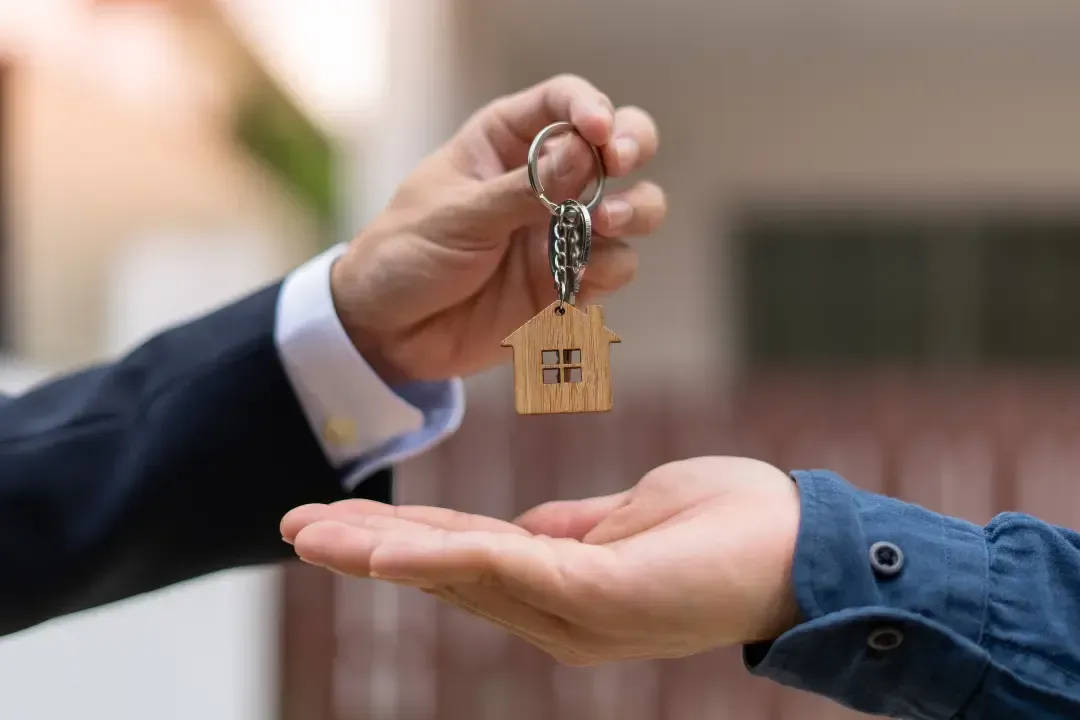
Let me show you exactly how to prepare yourself for successful Tampa Bay homeownership. No confusion. No surprises. Just a clear path from where you are now to holding keys to your first home.
Your Credit Score Controls Everything
Your credit score isn't just some number that pops up when you apply for a car loan. It's the single most important factor that determines whether you can buy a home and how much that home will actually cost you.
Think about this for a second. A $400,000 home in Tampa Bay (right around the median price) will cost you dramatically different amounts depending on your credit score and the interest rate you qualify for.
At 6.5 percent interest, your monthly payment is $2,528 for principal and interest.
At 7.5 percent interest, that same house costs you $2,797 every month.
That's $269 more. Every. Single. Month. Over 30 years, that's $96,840 in extra interest because your credit score was 80 points lower.
Most conventional loans want credit scores of 620 or higher. FHA loans will accept scores as low as 580 if you put 3.5 percent down, or 500 to 579 if you can manage 10 percent down. But here's the catch. Those minimum scores get you minimum terms. Break into the 740+ range and suddenly lenders compete for your business with better rates and fewer fees.
Start working on your credit 6 to 12 months before you plan to buy. This isn't optional. This is the foundation everything else builds on.
Pull your free credit reports from all three bureaus at AnnualCreditReport.com. You get one free report per year from each bureau. Look for errors first because they show up more often than you'd think. Collections accounts that aren't yours. Accounts marked late that were actually paid on time. Someone else's information mixed with yours because you have similar names.
Dispute those errors immediately. A collections account that gets removed can boost your score 50+ points overnight.
Pay down your credit card balances aggressively. Lenders calculate something called your "credit utilization ratio." That's just fancy talk for how much you owe compared to your total available credit. Keep each card under 30 percent of its limit. Under 10 percent is even better.
Here's an example. You have a credit card with a $5,000 limit and you're carrying a $4,500 balance. That's 90 percent utilization and it's absolutely crushing your credit score. Pay that down to $1,500 and you're at 30 percent. Pay it down to $500 and you're at 10 percent. Watch your score climb.
Don't close old credit cards even after you pay them off. Length of credit history matters to lenders. That card you opened in college ten years ago? Keep it. Use it once every few months for something small like gas or groceries, then pay it off immediately. This keeps the account active and maintains your credit history length.
One couple I worked with last year had credit scores sitting at 640. Not terrible, but not great. They followed this exact plan for eight months. They disputed errors. They paid down balances. They stopped applying for new credit. Their scores climbed to 720.
That score difference qualified them for a conventional loan instead of FHA. They avoided paying mortgage insurance. They saved $180 every month. That's $2,160 per year that stayed in their budget for furniture, landscaping, and that pool they're planning to add in a few years.
Ready to start your credit cleanup but not sure where to begin? Our trusted partners include mortgage professionals who offer free credit consultations. They'll review your credit reports with you, create a custom improvement plan, and track your progress. Visit our Trusted Partners page to connect with lenders who specialize in first-time Tampa Bay buyers.
Pre-Approval Is Your Shopping Superpower
Here's a scene I've watched too many times. Buyers spend three weekends touring houses. They find THE ONE. Perfect layout, great neighborhood, walking distance to that coffee shop they love. They write an offer. The seller's agent asks for their pre-approval letter.
They don't have one.
The seller accepts a different offer from a buyer who came prepared. My buyers are devastated. And completely avoidable.
Getting pre-approved before you start shopping does three critical things you absolutely need:
First, it shows sellers you're serious. You're not a tire kicker. You're not someone who might discover they can't actually get financing after wasting everyone's time. You're a legitimate buyer who can close the deal.
Second, it reveals your true budget. Maybe you think you can afford a $450,000 house. Pre-approval might show you that $380,000 is more realistic based on your income and debts. Or maybe you were being too conservative and you actually qualify for $500,000. Either way, you know what you're working with before you start looking.
Third, it identifies problems while you have time to fix them. Found out during pre-approval that an old medical bill hit collections? You've got time to handle it. Discovered your debt ratio is slightly too high? Pay off that car loan or credit card before you start house hunting.
Pre-approval is not the same thing as pre-qualification. This matters. Pre-qualification is when you tell a lender your income and they give you a rough estimate. Pre-approval means the lender actually verified everything. They checked your credit. They reviewed your bank statements. They looked at your W-2s and tax returns. They issued a letter stating exactly how much they will lend you.
What you need to gather for pre-approval:
Your last two years of W-2s or tax returns. Self-employed buyers need more documentation because your income is harder to verify.
Recent pay stubs covering the last 30 days.
Two months of bank statements for every account you have.
Documentation for any other income sources. Think bonuses, child support, VA benefits, rental income, anything that contributes to your household finances.
Government issued photo ID.
Permission for the lender to run your credit report.
The whole process takes one to three days if you're working with a responsive lender who knows what they're doing. You'll receive a pre-approval letter stating your maximum loan amount. That letter stays valid for 60 to 90 days depending on your lender's policies.
Tampa Bay offers incredible first-time buyer programs that can stack with your conventional financing. The DARE to Own the Dream program provides up to $50,000 in down payment assistance as a zero percent deferred loan. Florida's Hometown Heroes program offers up to $35,000 for teachers, nurses, first responders, and veterans. Hillsborough County's Home Sweet Home program adds another potential $30,000.
These programs can dramatically reduce what you need to bring to closing. But here's the catch. Not every lender participates in these programs. You need to work with someone who knows them inside and out and can help you stack benefits to maximize your assistance.
Connect with the mortgage professionals on our Trusted Partners page who specialize in Tampa Bay assistance programs. They'll walk you through eligibility requirements, application processes, and how to combine programs for maximum benefit. Get started with a free consultation today.
Starter Home, Forever Home, or Fixer Upper?
This is where emotion takes over and buyers make expensive mistakes. Every type of home serves different goals, different budgets, and different lifestyles. Understanding which category fits your actual situation prevents regrets that cost tens of thousands of dollars.
The Forever Home Path
Forever homes are properties you plan to own for ten years minimum, possibly the rest of your life. You're buying for future needs, not just what you need today. These homes typically cost more upfront because you're thinking ahead.
You're probably shopping for a forever home if:
You're established in your Tampa Bay career with no plans to relocate.
You want to plant roots in a specific neighborhood or school district.
You're planning to start or expand your family in this house.
You'd rather pay more now than deal with moving again in five to seven years.
Forever home buyers in Tampa Bay often target established neighborhoods like South Tampa, Carrollwood, or Wesley Chapel. They're willing to stretch their budget because they're spreading that cost over decades. That extra bedroom for the baby you're planning? The home office for the career change you're considering? The three car garage for the vehicles you'll own eventually? These future focused features justify paying more today.
The risk is simple. Life changes. Job transfers happen. Relationships shift. Family situations evolve. I've watched "forever home" buyers need to relocate after three years. Selling costs and realtor commissions ate into equity they hadn't built yet. They lost money on what was supposed to be their dream investment.
Be brutally honest about how certain your long-term plans actually are before you commit to a forever home strategy.
The Starter Home Strategy
Starter homes get you into homeownership and the Tampa Bay real estate market now. You'll probably outgrow them eventually. But they're building equity while you live there instead of enriching a landlord.
Starter homes make sense when:
You're maximizing affordability to keep monthly payments manageable.
You expect your income to increase significantly in five to seven years.
You're open to relocating for career opportunities down the road.
You value getting into the market now over waiting years for your "perfect" home.
Tampa Bay's starter home sweet spots right now are Riverview with a median around $360,000, Brandon at $362,000, and certain Temple Terrace neighborhoods. These areas offer solid appreciation potential without stretching your budget dangerously thin.
Smart starter home buyers look for features that appeal to future buyers when it's time to sell. Updated kitchens and bathrooms add value. Lot size and usable outdoor space hold value. So does a garage that fits two cars, and a roof or HVAC system with years left on it — buyers price those in. Functional layouts work for multiple buyer types.
You're not just buying for yourself. You're thinking about resale in five to seven years.
One huge advantage in Tampa's current market is that homes are selling below list price and sitting longer. That gives first-time buyers serious negotiating power. Request seller paid closing costs. Ask for a home warranty. Negotiate for that new roof or AC system the inspection revealed needs replacing soon.
Want to know which Tampa Bay neighborhoods offer the best starter home value right now? Let's schedule a buyer consultation where we'll review current inventory, discuss appreciation trends, and identify areas that match your budget and lifestyle. Contact TeamSidTampaBay.com today for your free market analysis.
The Fixer Upper Opportunity
Fixer uppers let you buy below market value by taking on properties that need work. You're trading sweat equity and renovation costs for a lower purchase price and the ability to customize everything exactly how you want it.
Fixer uppers work for buyers who:
Have genuine renovation skills or solid contractor relationships they trust.
Can access renovation financing like 203k loans or conventional renovation mortgages.
Understand construction timelines and aren't in a rush to move in immediately.
Can accurately estimate repair costs. Most people underestimate by 20 to 30 percent minimum.
The Tampa Bay fixer upper market requires extreme caution right now. Hurricanes Helene and Milton hit properties hard. Homes that sat through flooding or sustained wind damage may have hidden problems that won't show up for months. Mold behind walls. Compromised electrical systems. Foundation issues that weren't obvious during inspection.
Always hire licensed inspectors who specialize in post-hurricane damage assessments. Pay the extra money for thermal imaging that reveals water intrusion. Check permit history to see if previous owners cut corners on repairs.
Budget realistically or you'll regret it fast. That kitchen renovation you're planning? Quality work in Tampa Bay runs $25,000 to $45,000, not the $15,000 you saw on some HGTV show filmed in Kansas. Your contractor will find issues once walls open up. Permits take longer than anyone wants. Material costs fluctuate weekly.
But when you do it right, fixer uppers build substantial equity fast. I've seen buyers purchase $300,000 homes needing $60,000 in smart renovations. Eighteen months later those homes appraised at $425,000. That's $65,000 in equity created through strategic improvements.
Focus your renovation dollars on kitchens and bathrooms first. Those rooms deliver the highest return on investment. New flooring throughout makes a massive visual impact for reasonable cost. Fresh paint inside and out transforms a property. Updated lighting fixtures modernize spaces cheaply.
Skip the fancy stuff that doesn't add real value. Pools in Tampa Bay break even at best on resale. High end appliances don't return their cost. Custom built-ins look great but buyers won't pay extra for them.
Considering a fixer upper but overwhelmed by the renovation process? Our trusted partners include contractors, inspectors, and renovation loan specialists who work specifically with Tampa Bay buyers. Check our Trusted Partners page for professionals who can assess properties and provide realistic cost estimates before you commit.
Location Decisions That Change Everything
Tampa Bay isn't one market. It's dozens of distinct neighborhoods with completely different commutes, school options, lifestyles, and price points. Where you buy matters as much as what you buy.
Start by mapping your actual daily life. Where do you work? Where does your partner work? Do you want urban walkability or suburban space? Which specific schools or districts matter to you, if any? Tell us and we will pull the attendance zone for every address we show you.
Wesley Chapel offers some of Tampa Bay's best public schools and newest construction. Medians run $460,000 to $479,000 and you're looking at 35 to 45 minute commutes to downtown Tampa. Brandon and Riverview provide more affordability at $360,000 to $362,000 medians with solid schools and reasonable commutes. But you're crossing bridges that create serious traffic bottlenecks during rush hour.
South Tampa delivers walkability, historic charm, and premium schools like Plant High School. Starter homes begin around $500,000 and competition stays fierce even in today's buyer-friendly market. St. Petersburg offers arts, culture, and downtown energy at slightly lower price points between $400,000 and $425,000. Post-hurricane insurance costs have increased notably though.
Don't ignore Tampa-specific factors that outsiders miss:
Flood zones matter here more than almost anywhere else. Properties in X zones show minimal flood risk. They command price premiums and dramatically lower insurance costs compared to A or V zones.
Bridge traffic is absolutely real. Living in St. Pete and commuting to Tampa means planning your entire schedule around bridge delays. Accidents shut down bridges completely sometimes.
Hurricane insurance costs vary wildly by location and when your house was built. A 1960s concrete block home costs less to insure than a 1990s frame home in the same neighborhood.
HOA fees in newer communities run $200 to $400 monthly. That's $2,400 to $4,800 per year on top of your mortgage. Calculate that into your total housing costs before you fall in love with a property.
Drive neighborhoods at different times before you decide. Visit on weekday mornings. Come back weekend afternoons. Check it out again on weekday evenings around 5:30 or 6 p.m. You'll learn whether that quiet street turns into a traffic shortcut during rush hour or if the neighborhood park fills up with families on Saturdays.
Talk to neighbors when you can. Most Tampa Bay residents will gladly share insights about their area. They'll tell you about the responsive HOA or the nightmare board. The excellent elementary school or the overcrowded middle school. The annual flooding problem the seller forgot to mention.
Understanding the Real Costs of Homeownership
Your mortgage payment is just the beginning. Homeownership changes your entire financial picture. That's exciting and empowering, but it requires honest assessment of what you're actually committing to beyond principal and interest.
Property taxes in Hillsborough County run roughly 1 percent of your home's assessed value annually. A $400,000 house means about $4,000 per year in property taxes, or $333 monthly.
Homeowners insurance ranges from $1,800 to $3,500+ annually depending on your home's age, construction type, and features. Newer homes with impact windows and reinforced roofs cost less to insure.
Flood insurance costs $500 to $2,500+ annually if you're in a flood zone or your lender requires it. Even if you're not required to carry it, seriously consider buying it anyway. Tampa Bay flooding happens.
HOA fees vary wildly. Some neighborhoods charge nothing. Others charge $400 monthly for amenities you may or may not use.
Maintenance reserves matter more than most first-time buyers realize. Plan on setting aside 1 percent of your home's value annually for repairs and maintenance. That's $4,000 per year for a $400,000 home, or $333 monthly.
A realistic monthly budget for a $400,000 Tampa home looks like this:
Principal and interest at 6.5 percent interest: $2,528
Property taxes: $333
Homeowners insurance: $250
Flood insurance if required: $125
Maintenance reserve: $200
Total: $3,436 before any HOA fees
Compare that number to your current rent. Can you comfortably cover the difference? Financial advisors recommend keeping total housing costs below 28 percent of your gross monthly income. Tampa Bay's high prices push many buyers toward 30 to 35 percent. Be honest about whether that works for your budget and lifestyle.
Maintenance hits different when you own the home. The AC quits during July? That's $6,000 to $8,000 for emergency replacement. Roof develops leaks after a storm? Another $8,000 to $15,000 depending on size and pitch. Water heater dies on a Sunday morning? $1,200 to $2,000 installed.
These aren't hypothetical scenarios. They're normal realities of Tampa Bay homeownership in a climate that's tough on houses. Heat, humidity, salt air, and occasional hurricanes take their toll.
But here's what makes all of it worth it. You're building equity instead of making your landlord wealthier. You're locking in your housing costs while rents keep climbing year after year. You're gaining tax deductions on mortgage interest and property taxes. And you're creating a real asset that, over time, builds genuine wealth for your family.
Your Path Forward Starts Right Now
First-time homebuying isn't something you rush into on a weekend. It's a strategic process that rewards people who prepare properly. The buyers who stress less and save more are the ones who invested time upfront getting their finances organized and their priorities crystal clear.
Start today by pulling your credit reports and creating a plan to improve your scores over the next six to twelve months. Research lenders who specialize in first-time buyers and understand Tampa Bay assistance programs inside and out. Drive neighborhoods you're curious about and attend open houses just to see what different price points actually buy you.
Tampa Bay's market right now favors prepared buyers who are willing to do the homework. Homes sit on the market longer than they did two years ago. Sellers negotiate when they weren't willing to before. Prices have stabilized after years of insane appreciation. Interest rates have come down from their 2024 peaks.
The buyers winning in this market are showing up with clean credit, solid pre-approvals, and clear understanding of what they actually need versus what looks good on social media.
Ready to turn your preparation into action? Let's talk about your specific situation and create your personalized path to Tampa Bay homeownership. Our team specializes in first-time buyers who want expert guidance without pushy sales tactics.
We'll help you access every assistance program you qualify for. We'll explain the real costs beyond the purchase price. We'll show you neighborhoods that match your actual lifestyle and budget, not just pretty photos online. And we'll connect you with the trusted professionals on our network who make the entire process smoother.
Contact TeamSidTampaBay.com today to schedule your free buyer consultation. We'll review your financial readiness, explain current market conditions in plain English, and map out your timeline from where you are now to holding keys to your first home.
Your Tampa Bay home is waiting. Let's go find it together.